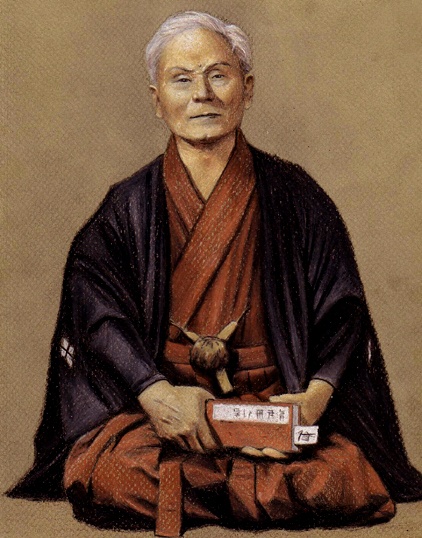
Shotokan Karate has a rich history that dates back to its founder, Gichin Funakoshi, who is often referred to as the “father of modern karate.” Born in 1868 in Okinawa, Japan, Funakoshi began studying traditional Okinawan martial arts as a child. In 1922, he introduced Okinawan karate to mainland Japan during a demonstration at the First National Athletic Exhibition in Tokyo.
Funakoshi’s style of karate, initially known as “Okinawan-Te,” gradually evolved into what is now called Shotokan. The name “Shotokan” is derived from Funakoshi’s pen name, “Shoto,” and “kan,” meaning training hall or house. Funakoshi emphasized the development of character, humility, and moral values alongside physical training.
Shotokan Karate became popular in Japan, and Funakoshi continued to refine and promote his style. The Japan Karate Association (JKA) was formed in 1955 to further spread and standardize Shotokan Karate. The JKA played a pivotal role in popularizing karate globally.
Today, Shotokan Karate is practiced worldwide and is known for its strong stances, powerful techniques, and emphasis on kata (prearranged forms) and kumite (sparring). It has become one of the most widely practiced and influential styles of karate, leaving a lasting impact on the martial arts community.